A hidden immune backup system could supercharge mRNA cancer vaccines
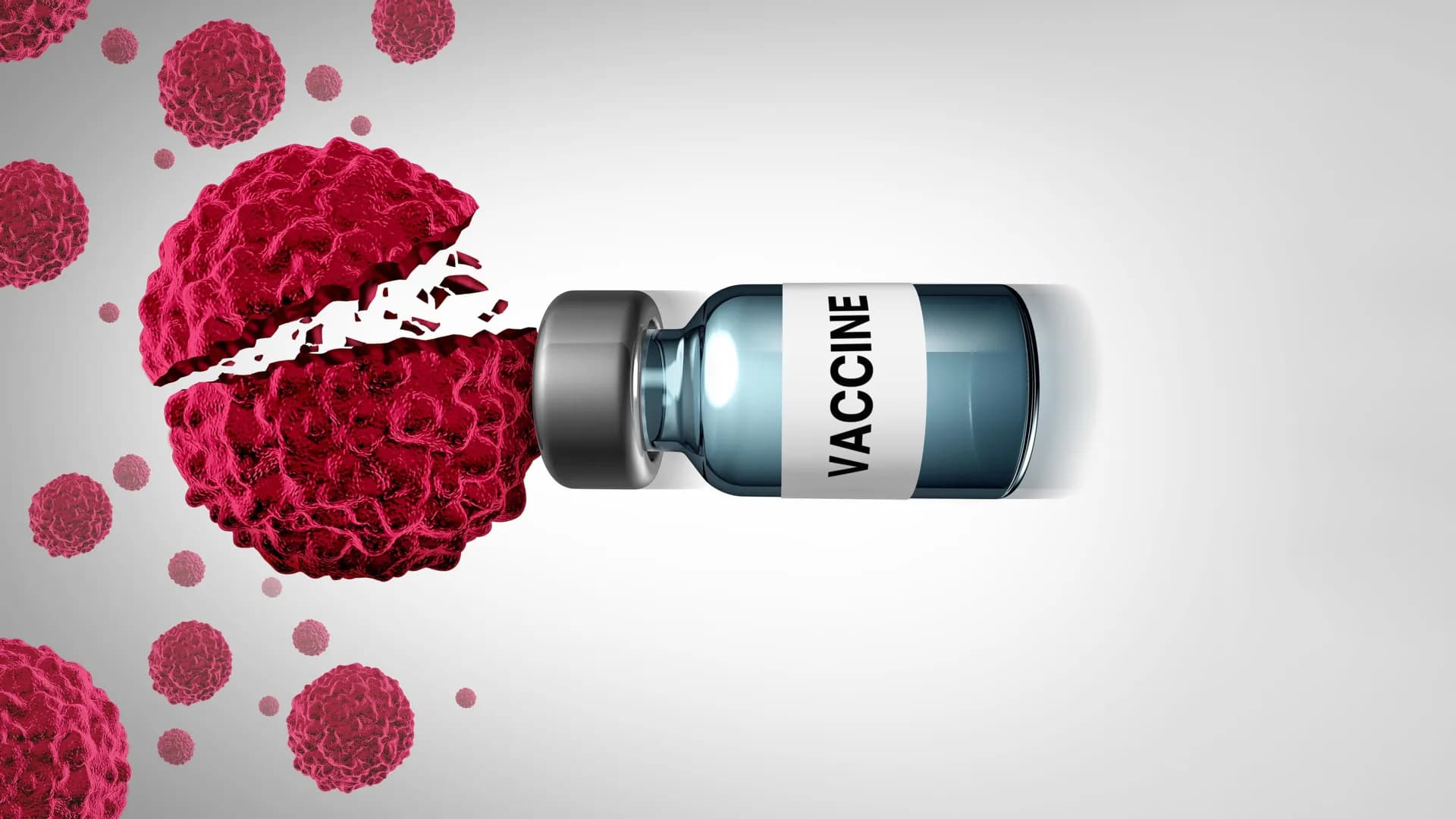
Researchers at Washington University School of Medicine have discovered that mRNA cancer vaccines can remain effective even when certain primary immune cells are absent. The study reveals a backup mechanism where related immune cells compensate to trigger an anti-tumor response.
The success of mRNA vaccines against SARS-CoV-2 during the COVID-19 pandemic transformed vaccine science. Now, the same Nobel Prize winning technology is being adapted to fight cancer, with experimental mRNA vaccines already being tested against melanoma, small cell lung cancer, bladder cancer, and several other cancers. Researchers hope these vaccines could eventually provide powerful new ways to prevent and treat the disease.
Get the full story
Sign up for Headlinne to unlock AI insights, political bias analysis, and your personalized news feed.
Create free accountAlready have an account? Sign in