Controlled Electron Shuttling on Superfluid Helium for All
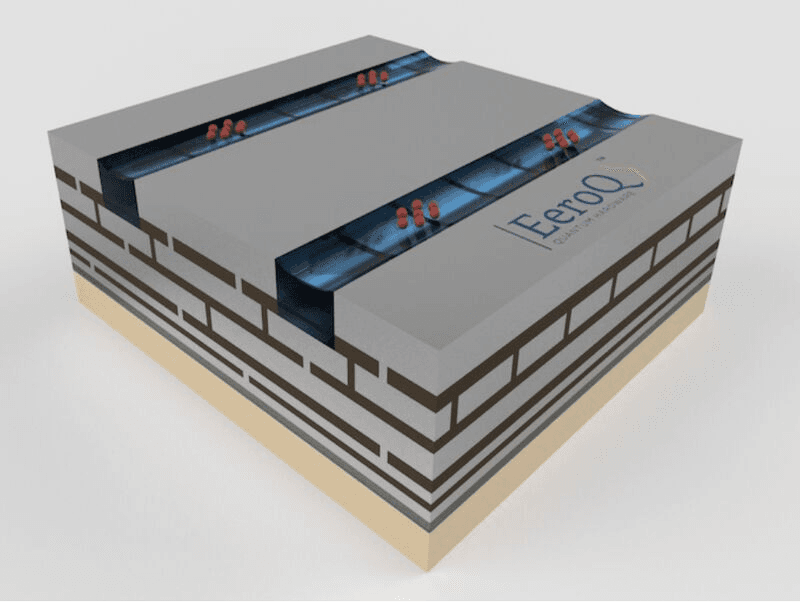
Quantum hardware developer EeroQ has successfully demonstrated the transport of electrons on superfluid helium using a commercial CMOS control architecture. This breakthrough suggests a scalable way to manage qubits while avoiding the signal degradation common in solid-state quantum systems.
Quantum hardware developer EeroQ has published peer-reviewed experimental results demonstrating the selective, two-dimensional transport of electrons on superfluid helium using a commercial silicon control architecture. Published in Physical Review Applied ( “ Selective shuttling of electrons on helium using a CMOS control platform “ ), the research validates the structural integrity of the company’s mobile spin-qubit transport layer. By moving electron packets across an atomically smooth liquid helium film condensed over a standard microelectronics chip, the system achieves lossless, long-distance charge transport—bypassing the material impurities and charge traps that typically cause phase decoherence and signal degradation in solid-state quantum architectures.
Get the full story
Sign up for Headlinne to unlock AI insights, political bias analysis, and your personalized news feed.
Create free accountAlready have an account? Sign in