Drones help check power lines in Latvia
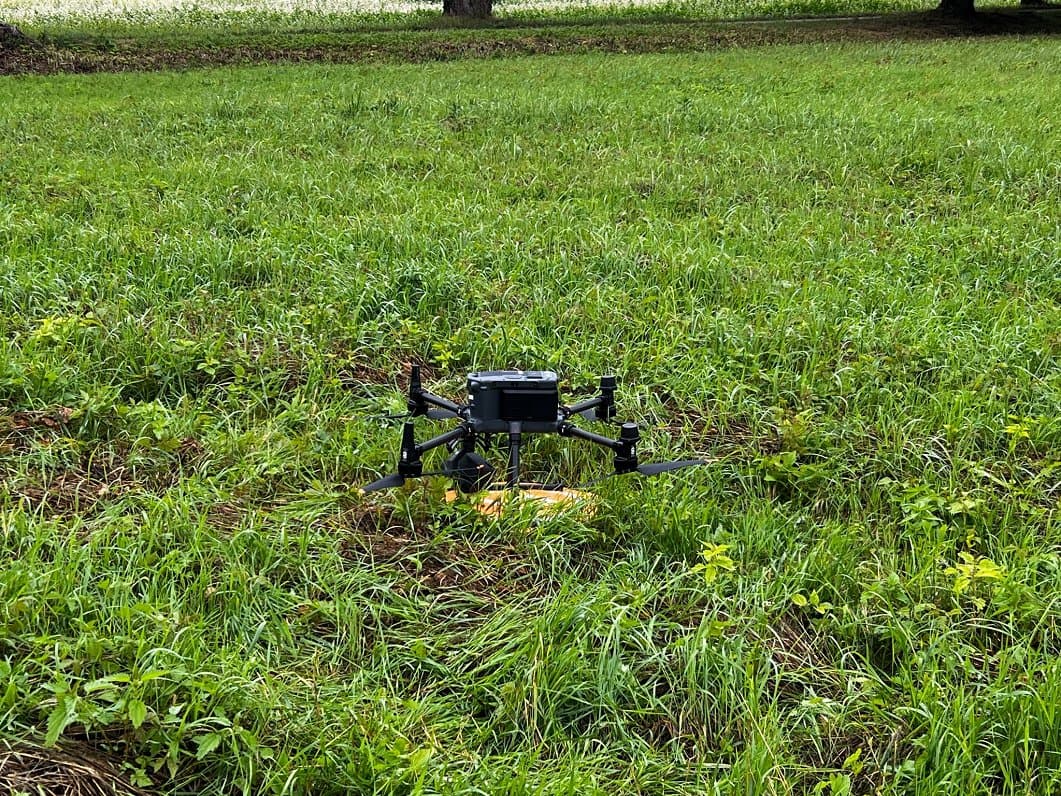
Latvian power grid operator Sadales tīkls is increasingly using drones to inspect over 90,000 kilometers of electrical lines. This automation reduces the need for manual, on-foot inspections and allows for faster, more accurate data collection, particularly during the busy summer season.
Drones help identify damage more quickly, provide more accurate data, and mean that employees rarely have to travel to remote areas or forests to detect problems. Although power grid inspections take place year-round, summer is the busiest time of year. Before a drone takes off, the pilot must complete several safety checks: ensuring flight authorisation, assessing restrictions, and filling out a pre-flight checklist. The company has more than 50 drone pilots who operate 29 drones, and four types of drones are used. The smaller ones are used for operational tasks, such as inspecting power lines after storms. “The larger drones are intended more for scheduled tasks. They primarily perform automated flights and are equipped with interchangeable cameras,” explained drone pilot Andis Mušperts. “Sadales tīkls” manages an electrical grid spanning more than 90,000 kilometres. This year, the company plans to inspect approximately 10,000 kilometres using drones. In the past, employees had to inspect power lines in many areas, often on foot. Now, some of this work can be completed in a couple of minutes using a drone. “This significantly eases the workload for our staff and allows us to introduce a certain degree of automation. Even among the employees who previously had to walk the routes, a large number are now learning to operate these drones. This is an ongoing process. We are currently in the early stages. At the moment, we’re still receiving a lot of support from an external service provider,” said Armands Staltmanis, the company’s network management director. Power line inspections using drones are most active in the summer, when weather conditions are more suitable for such work. However, network inspections continue throughout the year. Residents’ reactions to drones tend to vary. Some are understanding, while others are concerned and ask why a drone is flying in a particular location and what is being inspected. The company notes that in some cases there have been more hostile reactions, such as stones being thrown at the drone.
Get the full story
Sign up for Headlinne to unlock AI insights, political bias analysis, and your personalized news feed.
Create free accountAlready have an account? Sign in