Space Daily·3 min read·medium
Even at noon Titan sits in permanent dusk: distance and thick haze together leave barely a thousandth of Earth's sunlight at the surface — about as dim as Earth ten minutes after sunset, a golden gloo
M
Mal James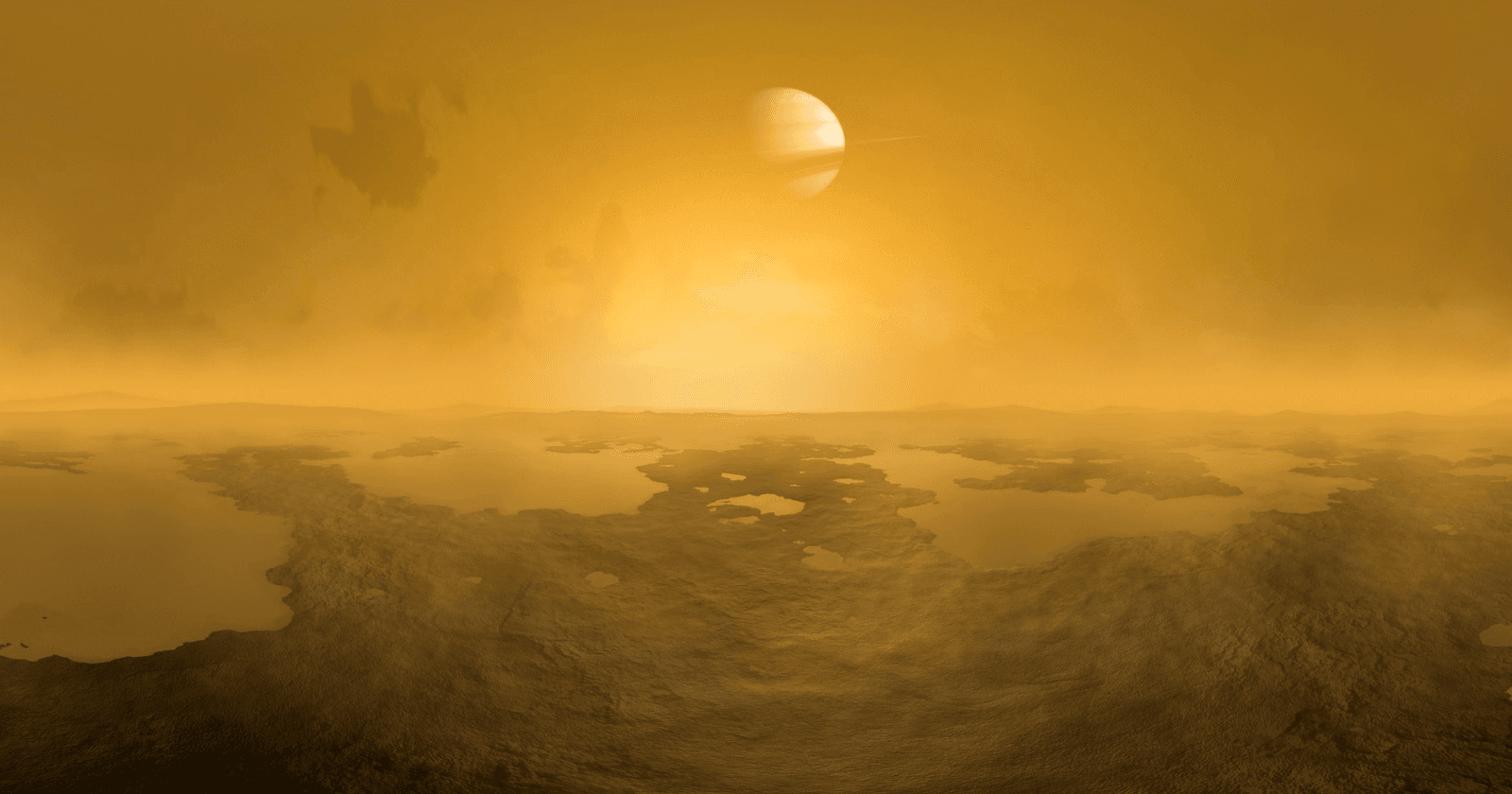
✦AI Summary
This article explores the atmospheric conditions of Saturn's moon, Titan, explaining why its surface remains in a state of perpetual dusk. It details how the moon's extreme distance from the Sun and a thick, smog-like haze significantly reduce light penetration.
Stand on Titan at noon and there is no noon to speak of. The sky is a hazy orange, thick like soup, with no blue anywhere and no clear line where the sky meets the ground.
scienceenvironment
✦
Get the full story
Sign up for Headlinne to unlock AI insights, political bias analysis, and your personalized news feed.
Create free accountAlready have an account? Sign in