Science Daily·3 min read·hard
Harvard scientists turn a silicon chip into a DNA writing machine
✦AI Summary
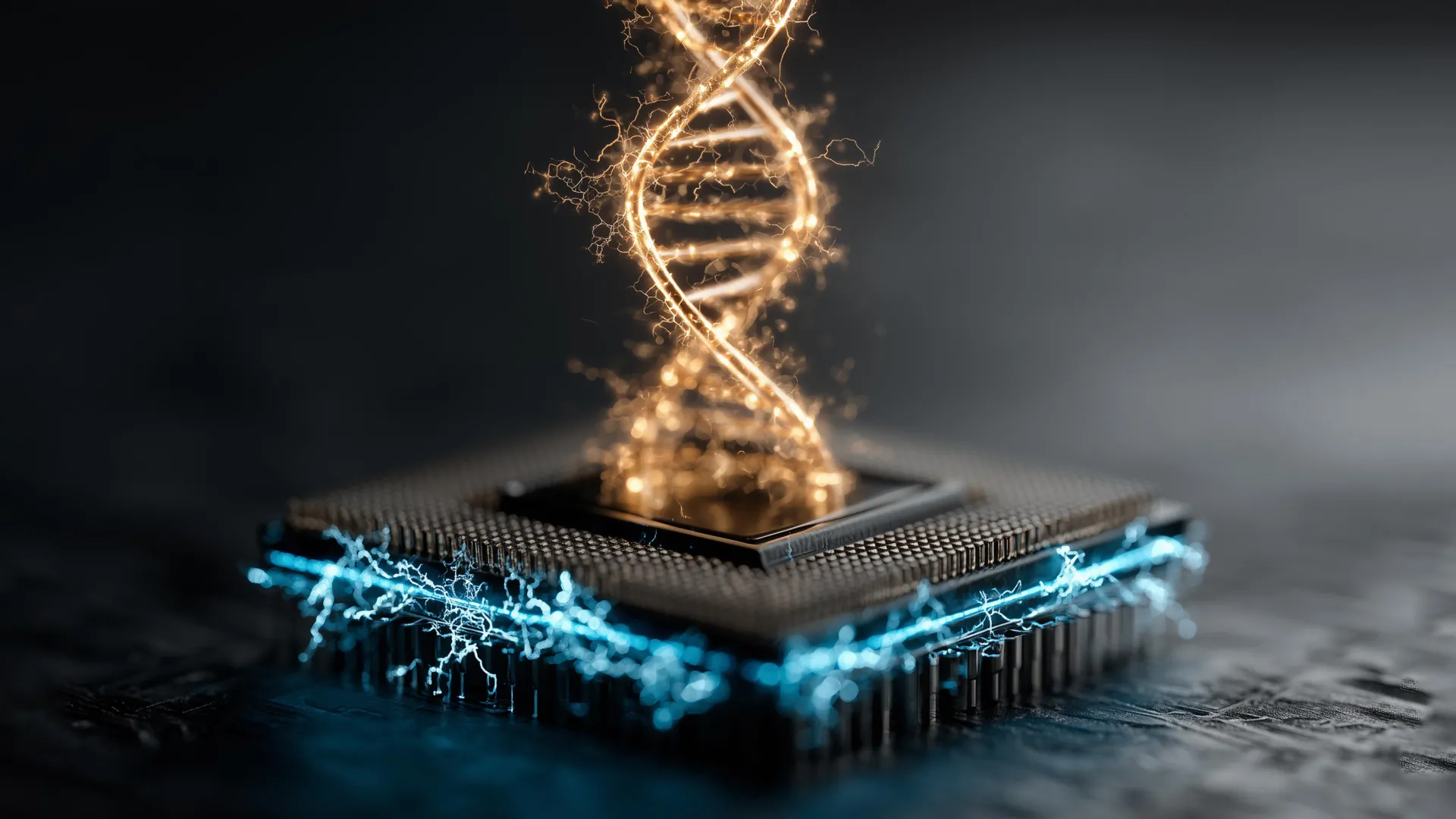
Harvard researchers have developed a silicon chip capable of synthesizing 64 different DNA sequences simultaneously using an enzymatic, water-based process. This innovation offers a safer and more efficient alternative to traditional chemical-based DNA manufacturing methods.
Silicon chips have been the foundation of modern computing for decades. Now, researchers are giving them an entirely new role in biotechnology. In addition to processing information, these chips are increasingly being used to study living systems by recording activity from neurons, reading DNA, and now even creating DNA.
technologyscience
✦
Get the full story
Sign up for Headlinne to unlock AI insights, political bias analysis, and your personalized news feed.
Create free accountAlready have an account? Sign in