Macrophage Membrane-Derived Nanoparticles Shows Potential Against Candida Infections
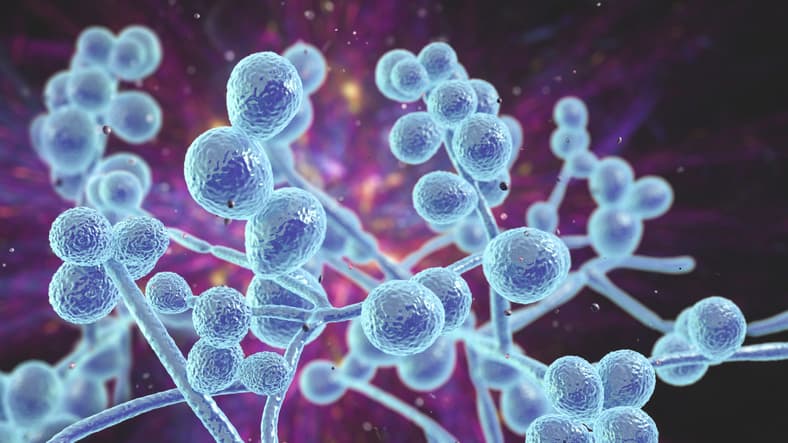
Researchers have developed antifungal nanodiscs derived from human immune cell membranes to combat Candida infections. These particles are highly effective because they fuse with fungal membranes and boost the body's natural immune response.
By using tiny particles made from the membranes of human immune cells, scientists from the University of California, San Diego and the University of Missouri have created antifungal nanoparticles that target Candida albicans , a fungus responsible for oral and vaginal yeast infections as well as bloodstream infections. Tests in mice with severe Candida infections show that the macrophage-derived nanoparticles reduced the amount of fungus in major organs, including heart, kidneys, lungs, and spleen. The mice also had improved survival rates.
Get the full story
Sign up for Headlinne to unlock AI insights, political bias analysis, and your personalized news feed.
Create free accountAlready have an account? Sign in