Physicists recreate black hole energy extraction in the lab
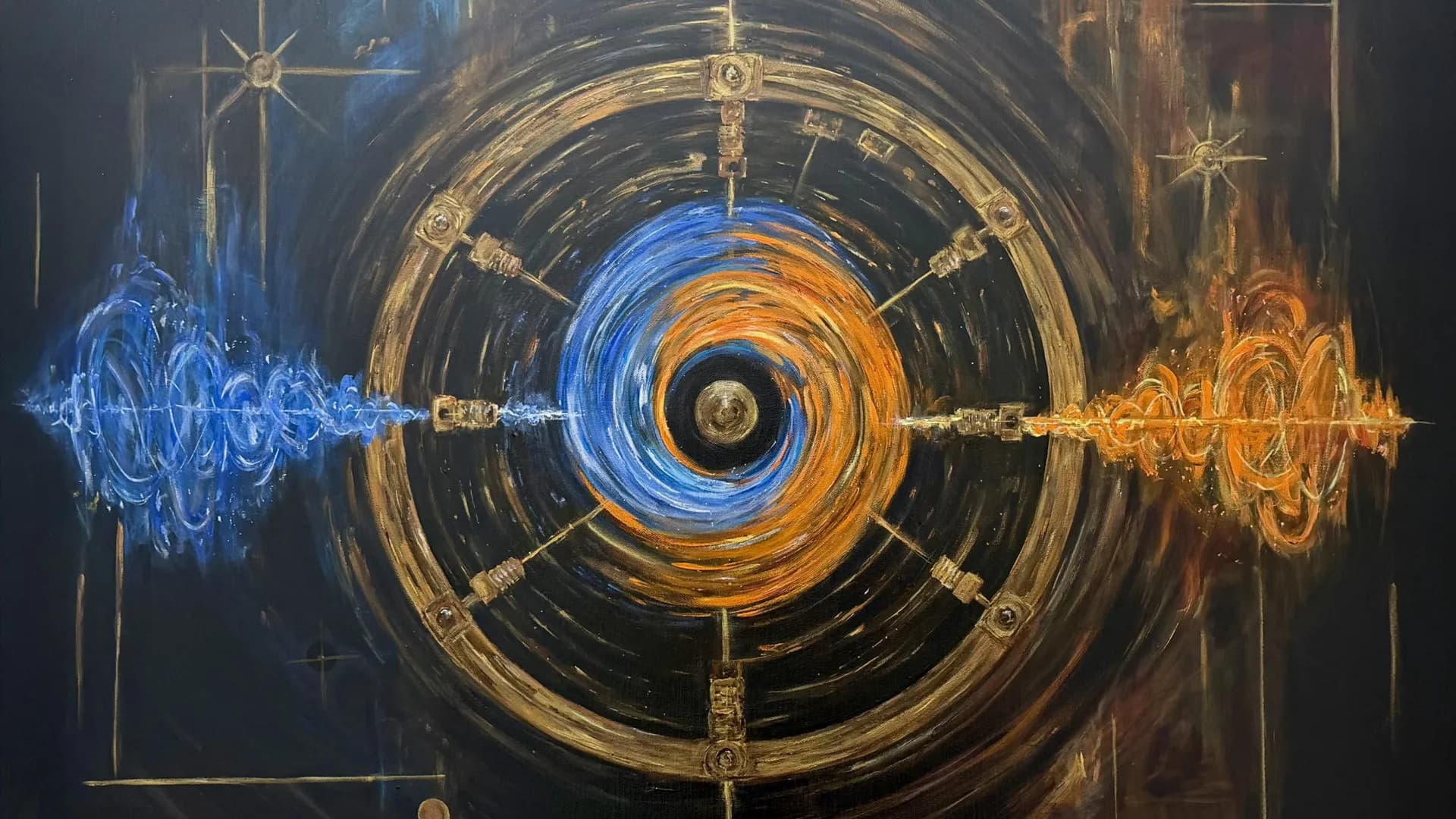
Physicists at CUNY ASRC have successfully demonstrated energy extraction from a synthetic black hole environment using a radio frequency device. By creating 'synthetic rotation' through time-engineered properties, the team validated theories regarding wave amplification in extreme gravitational conditions.
More than 50 years ago, physicist Sir Roger Penrose proposed a remarkable idea: under the right conditions, it might be possible to extract energy from a rapidly spinning black hole. In his concept, a particle entering the black hole's ergosphere, a region where spacetime is dragged along by the object's rotation, could split into two. One fragment would fall into the black hole while the other escaped carrying away more energy than the original particle. Later, physicist Yakov Zel'dovich expanded on this concept, predicting that waves interacting with an object rotating fast enough could also gain energy and become amplified.
Get the full story
Sign up for Headlinne to unlock AI insights, political bias analysis, and your personalized news feed.
Create free accountAlready have an account? Sign in