Science Daily·3 min read·hard
The hidden skeleton “gatekeeper” inside brain cells could help fight Alzheimer's
✦AI Summary
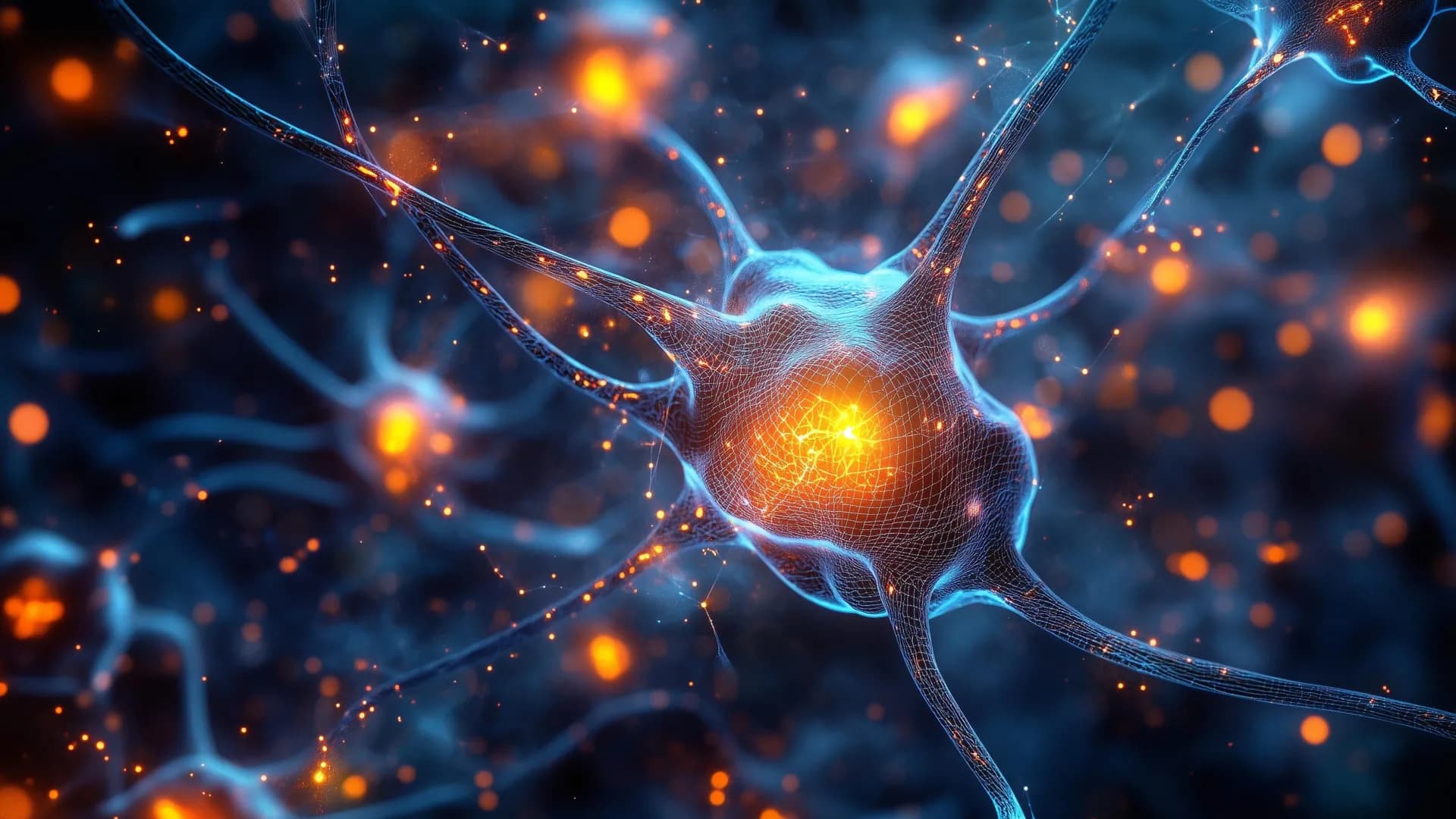
Researchers at Penn State have identified a protein structure called the membrane-associated periodic skeleton (MPS) that acts as a gatekeeper for endocytosis in brain cells. This discovery could provide new insights into how protein aggregation contributes to neurodegenerative diseases like Alzheimer's.
Brain cells continually pull material from the fluid around them, including nutrients, signaling molecules, and fragments of their own outer surfaces. This process, called endocytosis, supports learning, memory, and the routine maintenance of neurons.
sciencehealth
✦
Get the full story
Sign up for Headlinne to unlock AI insights, political bias analysis, and your personalized news feed.
Create free accountAlready have an account? Sign in