Space Daily·2 min read·medium
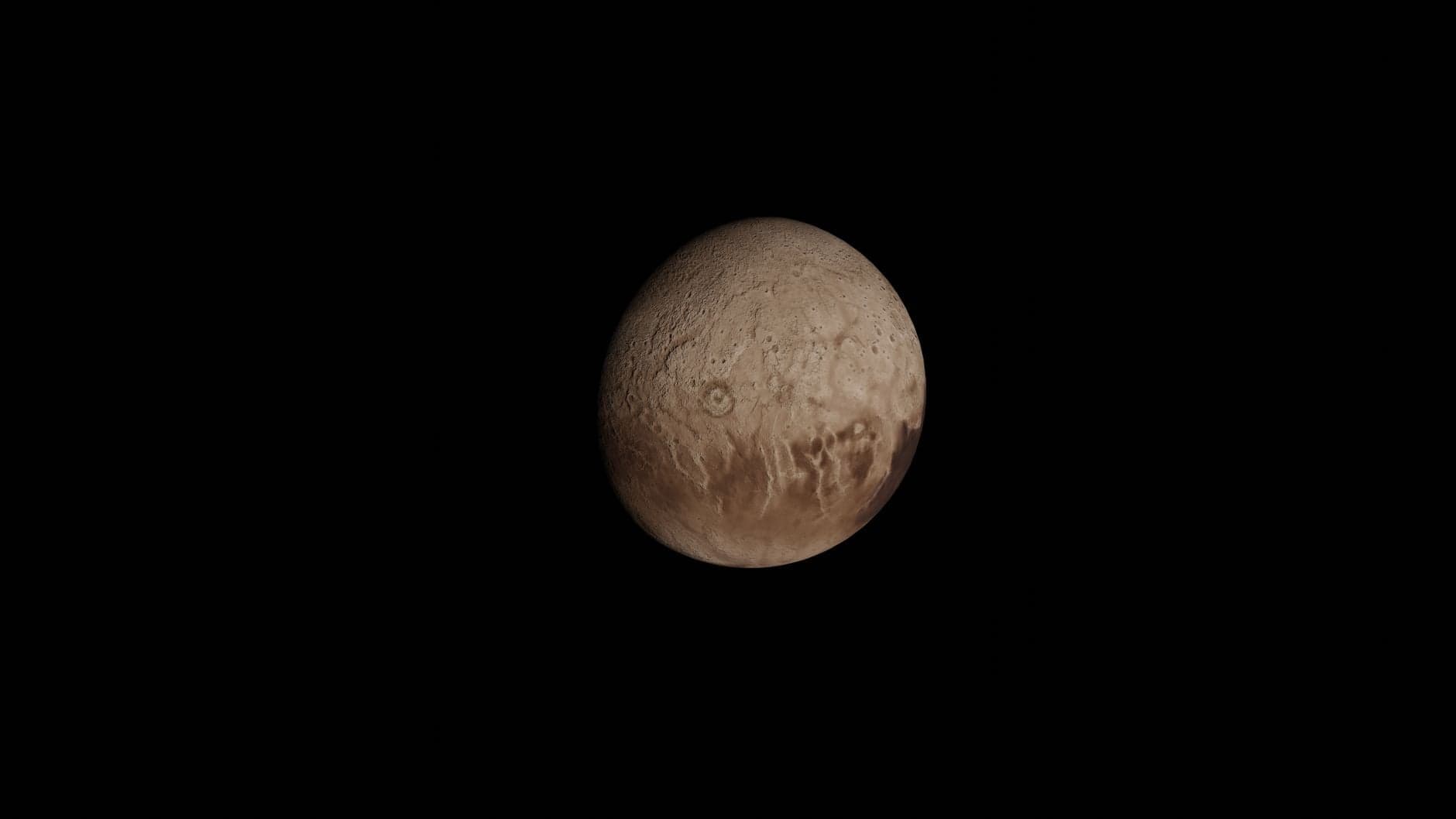
The James Webb Space Telescope has detected the same unexplained absorption signal on the surfaces of Pluto and Titan — two frozen worlds with very different environments but methane-and-nitrogen chem
✦AI Summary
The James Webb Space Telescope has identified an identical, unidentified absorption signal on the surfaces of both Pluto and Titan. Despite the vastly different environments of these two frozen worlds, the spectral anomaly remains unexplained by current scientific models.
The James Webb Space Telescope has picked up the same unexplained absorption signal on the surfaces of two very different frozen worlds, Pluto and Titan. Both show a dip at the same point in their spectra, and so far no one has been able to match it ... [4816 chars]
scienceenvironment
✦
Get the full story
Sign up for Headlinne to unlock AI insights, political bias analysis, and your personalized news feed.
Create free accountAlready have an account? Sign in