The Three-Second Theft: Why AI Voice Fraud Outruns Every Defence
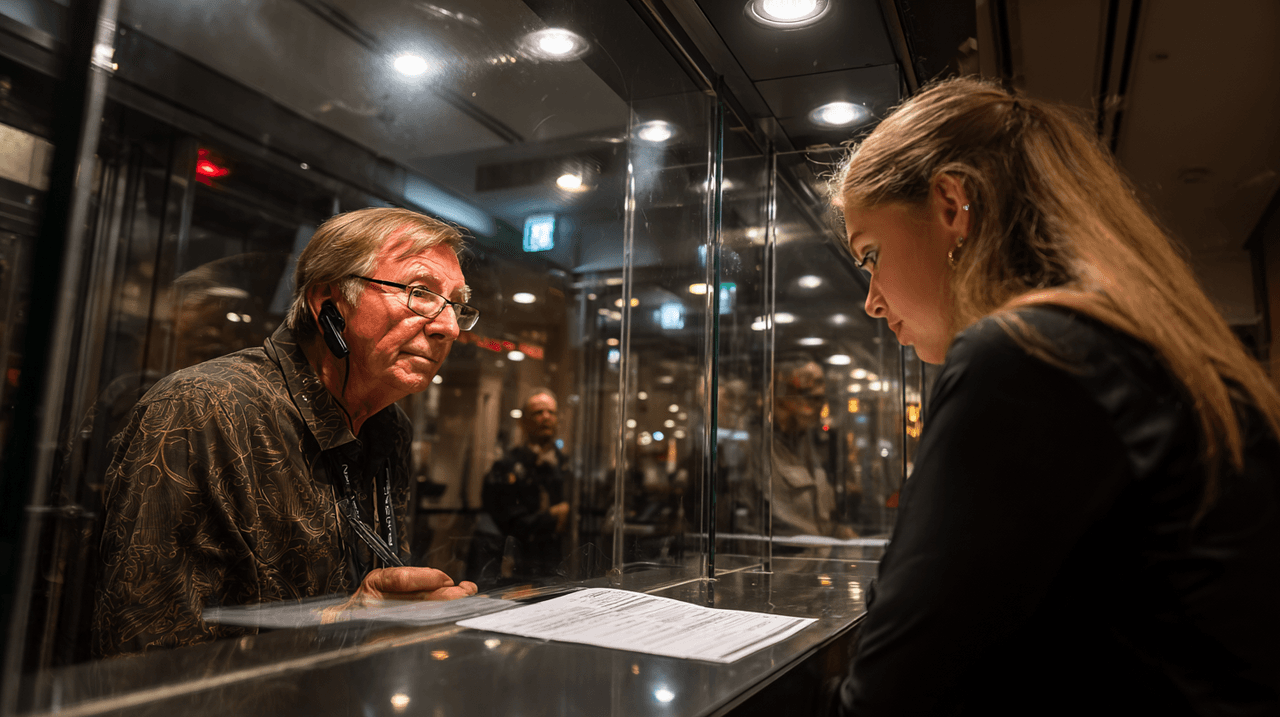
A retiree was defrauded of $15,000 by scammers using AI-synthesized voice technology to impersonate her daughter. The article highlights the growing gap between the sophistication of AI-driven fraud and the public's awareness of these threats.
Sharon Brightwell heard her daughter crying down the line, and that was the end of any defence she might have mounted. The voice belonged to April, or so every instinct insisted: the same timbre, the same broken rhythm of a young woman in distress. The voice said she had been texting while driving, that she had hit a pregnant woman, that her phone had been seized by police. A man then took over the call, identifying himself as April's attorney, and explained that bail would cost fifteen thousand dollars in cash. He warned Brightwell not to tell the bank what the money was for, because it might damage her daughter's credit. Within the hour, the retiree from Dover, Florida had withdrawn the money and handed it to a courier she believed was connected to the courts. Only when she reached the real April, who had spent the morning at work and never been near a car accident, did she understand that her daughter had not made the call. No human had. The crying had been synthesised from a fragment of audio, and the daughter she thought she was rescuing existed only as a pattern of numbers in someone else's machine.
Get the full story
Sign up for Headlinne to unlock AI insights, political bias analysis, and your personalized news feed.
Create free accountAlready have an account? Sign in