What did SCOTUS rule on birthright citizenship? | Explained
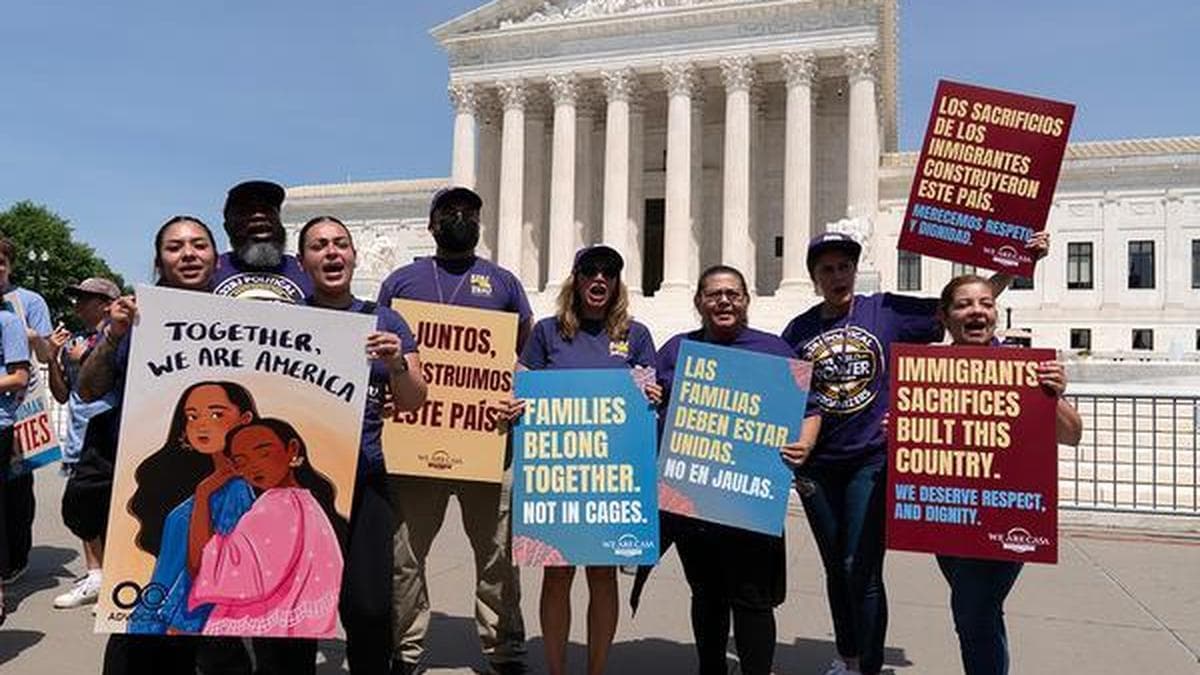
The U.S. Supreme Court has struck down a 2026 executive order by President Donald Trump that attempted to end unconditional birthright citizenship. The 6-3 ruling reaffirms that individuals born on U.S. soil are citizens under the 14th Amendment, regardless of their parents' legal status.
O n June 30, 2026, the Supreme Court of the United States (SCOTUS) upheld birthright citizenship provided under the 14th Amendment to the U.S. Constitution. The SCOTUS struck down President Donald Trump’s Executive Order (E0) 14160, which sought to end unconditional birthright citizenship that the U.S. grants. With the 6-3 judgment, anyone who is born on U.S. soil becomes a citizen, regardless of the status of their parents. Exceptions include children of foreign diplomats and invading militaries.
Get the full story
Sign up for Headlinne to unlock AI insights, political bias analysis, and your personalized news feed.
Create free accountAlready have an account? Sign in